Author: corywilcox

  • Behind the Scenes at CWPX Birman: What Running an Ethical Cattery Actually Looks Like

    Behind the Scenes at CWPX Birman: What Running an Ethical Cattery Actually Looks Like

    Behind the scenes at CWPX Birman cattery
    CWPX Birman · Cardiff, CA

    It’s Not a Hobby. It’s Not a Business. It’s Both.

    Most people see the kitten photos. The show ribbons. The polished website. What they don’t see is everything that happens before any of that exists.

    CWPX Birman operates as a single-stud, intentional breeding program. One intact male — Phoenix — and carefully selected outside queens through stud service arrangements. We don’t run a kitten mill. We don’t produce litters on demand. Litters happen when the genetics are right, the timing is right, and we have qualified homes already in the pipeline.

    That model creates a waitlist. It also creates a much better kitten.

    The Application and Waitlist Process

    Every family that wants a CWPX kitten goes through the same process:

    1. Waitlist application — basic lifestyle questions, household info, what they’re looking for in a Birman
    2. Kitten application — deeper. Environment, other pets, vet access, expectations around socialization and enrichment
    3. Review and match — kittens aren’t first-come-first-served. They’re matched to families based on temperament fit, color preference, and timing

    All of this runs through EspoCRM — a self-hosted CRM system built out specifically for the cattery. Every applicant has a record. Every communication is logged. Every litter is tracked from birth weights through vaccination to placement. Nothing lives in a spreadsheet or someone’s inbox.

    Health Testing Is Not Optional

    Every breeding-relevant cat at CWPX is tested for the three conditions that matter in Birmans:

    • HCM (Hypertrophic Cardiomyopathy) — the most common cardiac disease in cats, with a known genetic marker in some lines
    • PKD (Polycystic Kidney Disease) — hereditary, progressive, detectable via DNA
    • PRA (Progressive Retinal Atrophy) — causes gradual vision loss; fully preventable through testing

    Phoenix’s results are published on the DNA & Health Testing page. Not buried in a PDF. Just there — because if you’re buying a kitten from us, you deserve to see the receipts without having to ask.

    We also track annual cardiac screening via echocardiogram, not just the DNA panel. DNA tells you about known markers. An echo tells you what’s actually happening in the heart right now. Both matter.

    A Day in the Cattery

    There’s no typical day, but there is a typical rhythm.

    Mornings start with Phoenix. Full check — coat condition, eyes, energy level, appetite. Show cats and breeding studs require daily observation. You notice changes in a cat you see every single day in a way you simply can’t if you’re only looking when something seems off.

    Feeding is structured. Phoenix is on a high-protein, low-carbohydrate diet with a mix of raw and wet. The coat condition you see in his show photos is a direct output of what goes into him, how often he’s bathed, and how consistently his environment is managed.

    Evenings are socialization time. Phoenix is not a cage cat. He lives in the home, moves through the space freely, and interacts with people daily. That’s not a perk — it’s the mechanism behind the temperament you see in every photo and video of him. Birman temperament at its best is a product of consistent human contact from the first weeks of life. We replicate that with every litter.

    The Tech Behind It

    Most catteries run on Facebook messages and a spreadsheet. We run on a self-hosted WordPress site, a Docker-based CRM, a custom exhibitor portal that pulls live show data, and automated email sequences that keep waitlist families informed through every stage.

    When a kitten application comes in, it routes directly into EspoCRM as a structured record — not an email sitting in an inbox. When a litter is born, families on the waitlist get a notification. When Phoenix places at a show, the scoreboard updates automatically.

    None of that is about showing off. It’s about not losing things, not missing follow-ups, and not making families feel like they’re chasing you for information.

    Why Phoenix Is the Foundation

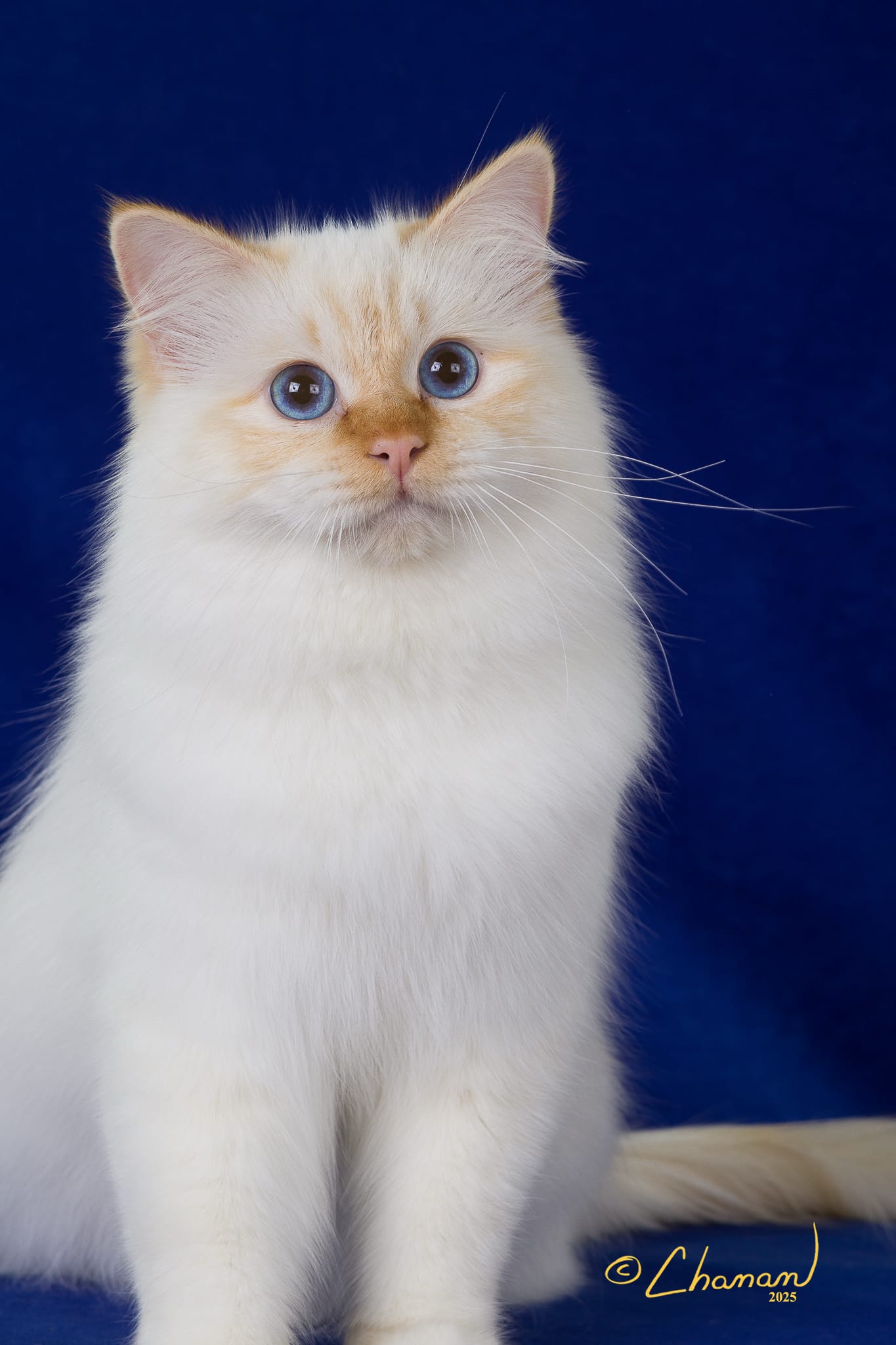
    Everything at CWPX traces back to Phoenix. CFA Champion. Clean health panels. A proven show record. A temperament tested in environments most cats never see — show halls, car rides, therapy visits, public events.

    When we talk about what our kittens will be like, Phoenix is the data. Not a promise. Not a marketing claim. A documented, observable track record of what this breeding program produces.

    That’s the whole point of showing. Not ribbons. Proving the work in front of independent judges, in deep competitive fields, under conditions we don’t control.

    What We’re Building

    CWPX Birman is a long-term program. The goal isn’t to produce the most kittens. It’s to produce kittens that are healthy, correctly typed, behaviorally sound, and placed in homes that understand what they’re getting.

    Most people don’t see any of that. They see a kitten available and a price tag. The behind-the-scenes is where the difference lives.

    If you’re on the waitlist, thank you for understanding that. If you’re not yet — start here.

    — Cory Wilcox
    CWPX Birman · Cardiff, CA · cwpxbirman.com
  • How to Get on a Birman Kitten Waitlist (And What to Expect)

    How to Get on a Birman Kitten Waitlist (And What to Expect)

    If you have found a reputable Birman cattery, chances are they do not have kittens available immediately — and that is actually a good sign. Ethical catteries breed intentionally and in small numbers, which means waitlists are standard.

    Why waitlists exist: A responsible breeder will not produce a litter just to meet demand. Litters are planned around health testing, genetic compatibility, and the right timing for the queen. Buyers who want the best kittens need to plan ahead. At CWPX Birman, waitlist families get first access to upcoming litters, regular updates during pregnancy and kittenhood, and a dedicated point of contact from application through homecoming.

    How the CWPX waitlist works: The process starts with an inquiry through our contact form or by phone. We will have a conversation about your home, your lifestyle, and what you are looking for in a Birman. If it feels like a good match, you will complete a formal application. Once approved, you will be added to the active waitlist with regular updates on planned pairings and confirmed pregnancies.

    What we look for in families: We are looking for people who have thought carefully about cat ownership, have a stable home environment, and understand that a Birman is a 15-plus year commitment. First-time cat owners are absolutely welcome — we provide thorough preparation support and are available long after your kitten comes home.

    Join the CWPX Birman waitlist at cwpxbirman.com/cattery/waitlist/ or reach out with questions at cwpxbirman.com/contact/

  • HCM, PKD, and PRA: Why DNA Testing Matters in Birman Cats

    HCM, PKD, and PRA: Why DNA Testing Matters in Birman Cats

    When considering a Birman kitten, you will hear breeders mention HCM, PKD, and PRA. But what do these actually mean, why do they matter, and how do you know if a breeder is genuinely testing for them?

    HCM — Hypertrophic Cardiomyopathy. HCM is the most common heart disease in cats, and Birmans carry a known genetic variant that increases risk. It causes the heart muscle to thicken, reducing the ability to pump blood effectively. In severe cases it leads to heart failure. DNA testing identifies whether a cat carries the mutation. At CWPX Birman, Phoenix and all breeding partners are tested and confirmed clear before any pairing.

    PKD — Polycystic Kidney Disease. PKD causes fluid-filled cysts to develop in the kidneys, progressively reducing kidney function. It is an autosomal dominant condition — one copy of the mutated gene causes disease. A DNA test can definitively confirm whether a cat is clear, a carrier, or affected. Ethical breeders only breed PKD-negative cats.

    PRA — Progressive Retinal Atrophy. PRA causes gradual degeneration of the retina, eventually leading to blindness. Like PKD, it can be identified through DNA testing before any clinical signs appear — giving breeders the ability to eliminate it from their lines through responsible pairings.

    Ask for actual test certificates, not verbal confirmation. Results from UC Davis Veterinary Genetics Laboratory are the gold standard. The certificate should show the cat registered name, microchip number, and a clear result for each condition. Our full results are at cwpxbirman.com/cattery/dna-health-testing/

  • Birman Kittens for Sale in California: What Ethical Breeding Actually Looks Like

    Birman Kittens for Sale in California: What Ethical Breeding Actually Looks Like

    Search Birman kittens for sale in California and you will find dozens of listings — some from reputable catteries, some from backyard breeders, and some from kitten mills. Knowing the difference could save you years of heartbreak and thousands in vet bills.

    A responsible Birman breeder will always health test for HCM, PKD, and PRA at minimum. These are the three most significant heritable conditions in Birmans, and no ethical breeder skips this step. At CWPX Birman, every breeding cat carries a full DNA panel with results available on request. We do not just claim to health test — we publish the results.

    Red flags to watch for: kittens available immediately with no waitlist, no health testing documentation, no contract or application required, kittens shipped under 12 weeks, or no CFA or TICA registration. A good breeder will ask you as many questions as you ask them.

    CWPX Birman is located in Oceanside, California — North County San Diego. We place kittens locally whenever possible, meaning you can visit, meet Phoenix, and see exactly where your kitten was raised before committing. We also ship nationally for the right families.

    Join our waitlist at cwpxbirman.com/cattery/waitlist/ or reach out at cwpxbirman.com/contact/

  • What to Expect Your First Week With a Birman Kitten

    What to Expect Your First Week With a Birman Kitten

    Bringing home a Birman kitten is one of the most exciting things you will do — and one of the most overwhelming if you are not prepared. Here is exactly what to expect in those first seven days, straight from our experience at CWPX Birman.

    Days 1 to 2: The Adjustment Phase. Even the most confident kitten needs time to decompress. Your new Birman may hide, eat very little, or seem unusually quiet. This is completely normal. Set up a base camp room — a single room with litter box, food, water, bed, and toys — and let them come to you on their own timeline.

    Days 3 to 4: First Explorations. Most Birman kittens start venturing out around day three. You will see curiosity overtake caution — sniffing furniture, investigating sounds, and initiating contact. Begin gentle play sessions and introduce other pets slowly through a cracked door or baby gate.

    Days 5 to 7: Settling In. By end of week one, most Birman kittens are eating well, using the litter box consistently, and showing their true personality. Birmans are naturally social — you will see them seek you out, purr during handling, and play confidently. Establish consistent feeding times and a regular play schedule. Birmans thrive on routine.

    Every CWPX Birman kitten leaves with first vaccinations, a health certificate, microchip registration, and a go-home kit. We are available through the entire adjustment period — you are never navigating this alone. Learn how adoption works at cwpxbirman.com/cattery/adoption-process/

  • Birman vs Ragdoll vs Maine Coon: Which Cat Is Right for You?

    Birman vs Ragdoll vs Maine Coon: Which Cat Is Right for You?

    If you are searching for a gentle, affectionate cat, you have likely landed on three names: the Birman, the Ragdoll, and the Maine Coon. All three are known for being calm, people-oriented, and beautiful — but they are very different cats to actually live with.

    At CWPX Birman, we are obviously partial to the Birman — but we want you to make the right choice for your home, not just any choice. Here is an honest breakdown.

    The Birman is a medium-sized, silky-coated cat with striking blue eyes and distinctive white gloves on each paw. They are affectionate without being clingy, curious without being destructive, and calm enough to thrive in apartments or busy households alike. Birmans bond deeply with their families and tend to follow you from room to room — not demanding attention, just wanting to be near you.

    The Ragdoll is larger than a Birman and famous for going limp when picked up. They are extremely docile and gentle, perfect for quiet homes and lap-cat lovers. The tradeoff is they can be more needy than Birmans and require more coat maintenance.

    The Maine Coon is the largest of the three — often 15 to 25 lbs — and dog-like in personality. They are playful, athletic, highly intelligent, and more vocal. If you want an active, engaging cat, a Maine Coon may be your match. If you want a calm, graceful, deeply bonded companion, the Birman wins.

    Ready to meet a Birman? CWPX Birman is a CFA-registered cattery in Oceanside, California. View available kittens at cwpxbirman.com/cattery/available-kittens/ or join our waitlist at cwpxbirman.com/cattery/waitlist/

  • Food & Water Bowl XXXIV — CFA San Diego (Phoenix #78, Ring-by-Ring Forensic Recap)

    Food & Water Bowl XXXIV: Inside One of Southern California’s Most Diverse CFA Cat Shows

    San Diego Cat Fanciers • Del Mar Fairgrounds • January 24–25, 2026


    The Food & Water Bowl XXXIV, hosted by the San Diego Cat Fanciers at the Del Mar Fairgrounds, stands as one of Southern California’s most complete and consequential Cat Fanciers’ Association (CFA) events. This is not a niche or specialty-focused show—it is a full-scale, multi-division exhibition that reflects the breadth, depth, and current direction of the CFA fancy.

    Shows of this size serve a critical role within the CFA ecosystem. They bring together exhibitors from multiple regions, place cats into deep competitive fields, and provide judges with the entry density required to make meaningful distinctions. Results here influence breeding programs, campaign decisions, and exhibitor strategy for the remainder of the season.


    Scale and Structure: Why This Is a Major CFA Show

    The Food & Water Bowl XXXIV featured a full eight-ring schedule spanning championship, premiership, kittens, household pets, and veterans. Both longhair and shorthair divisions were strongly represented, creating broad comparison pools in every ring.

    Large shows matter because they remove insulation. Cats are not evaluated within small or familiar circles; they are judged against wide fields that include varying maturity levels, presentation styles, and breeding philosophies. Wins at events like this carry real weight, while non-finals offer honest and actionable feedback.

    The Del Mar Fairgrounds provide the physical infrastructure necessary for such a show. Wide aisles, consistent lighting, and thoughtful benching layouts contribute to calmer cats, clearer evaluation, and a more educational experience for exhibitors and spectators alike.


    Breed Diversity: A Living Snapshot of the CFA Fancy

    One of the defining strengths of the Food & Water Bowl XXXIV is the breadth of breeds represented. The catalog reflects both the historical foundations of the fancy and its modern evolution, with a wide range of longhair and shorthair breeds present.

    Breeds Represented at the Show

    • Abyssinian
    • American Curl
    • American Shorthair
    • Balinese
    • Bengal
    • Birman
    • Bombay
    • Burmese
    • Devon Rex
    • Exotic
    • Havana Brown
    • Maine Coon
    • Manx
    • Ocicat
    • Oriental
    • Persian
    • Ragdoll
    • Scottish Fold
    • Scottish Straight
    • Siamese
    • Sphynx
    • Tonkinese
    • Household Pets (HHP)

    This diversity is central to the importance of a show like this. Judges move rapidly between dramatically different standards—evaluating coat length and texture, body type, head structure, balance, and temperament according to each breed’s written definition. No single aesthetic dominates; excellence is measured by fidelity to standard.


    Regional Representation and Community Reach

    Shows of this scale naturally attract exhibitors from across multiple CFA regions. The Food & Water Bowl XXXIV reflects that reach, bringing together breeders, owners, and handlers representing a wide cross-section of regional programs.

    This regional diversity strengthens the competitive environment. It introduces variation in breeding priorities, presentation styles, and campaign strategies, preventing stagnation and encouraging a broader, more dynamic application of CFA standards.


    The Judges: Experience Across the Spectrum

    The eight-ring judging panel assembled for this event reflects its stature. A mix of Allbreed and Longhair/Shorthair formats requires judges to assess cats both within specialized contexts and across the full competitive field.

    At large shows, judges are not merely awarding ribbons—they are setting benchmarks. Finals selections communicate priorities and reinforce standards, offering exhibitors valuable insight that extends beyond a single weekend.


    Finals: Where the Room Changes

    Finals are the emotional and competitive core of any CFA show, and at an event of this size, they carry particular gravity. As finals boards are posted, the atmosphere shifts. Handlers gather, conversations quiet, and spectators focus.

    In large-entry shows, finals are never automatic. They represent cats that rose above deep fields under specific judges on that day. Even for cats that do not final, patterns emerge—highlighting strengths, weaknesses, and areas for refinement.


    More Than a Weekend Event

    The Food & Water Bowl XXXIV succeeds because it balances serious competition with public education and outreach. Breed awareness, household pet inclusion, and engagement with the broader community remain integral to the event.

    Shows like this do not manufacture success overnight. Instead, they provide clarity—about where cats stand, how programs are developing, and what the next steps should be. The Food & Water Bowl XXXIV delivered exactly that: a comprehensive snapshot of the CFA fancy in motion.


    Photo Log

    Images from the show floor, breed representation, ring activity, and finals moments may be added here as they are curated.


    — Cory Wilcox

  • Window Watcher: Phoenix’s Night Ride

    Window Watcher: Phoenix’s Night Ride

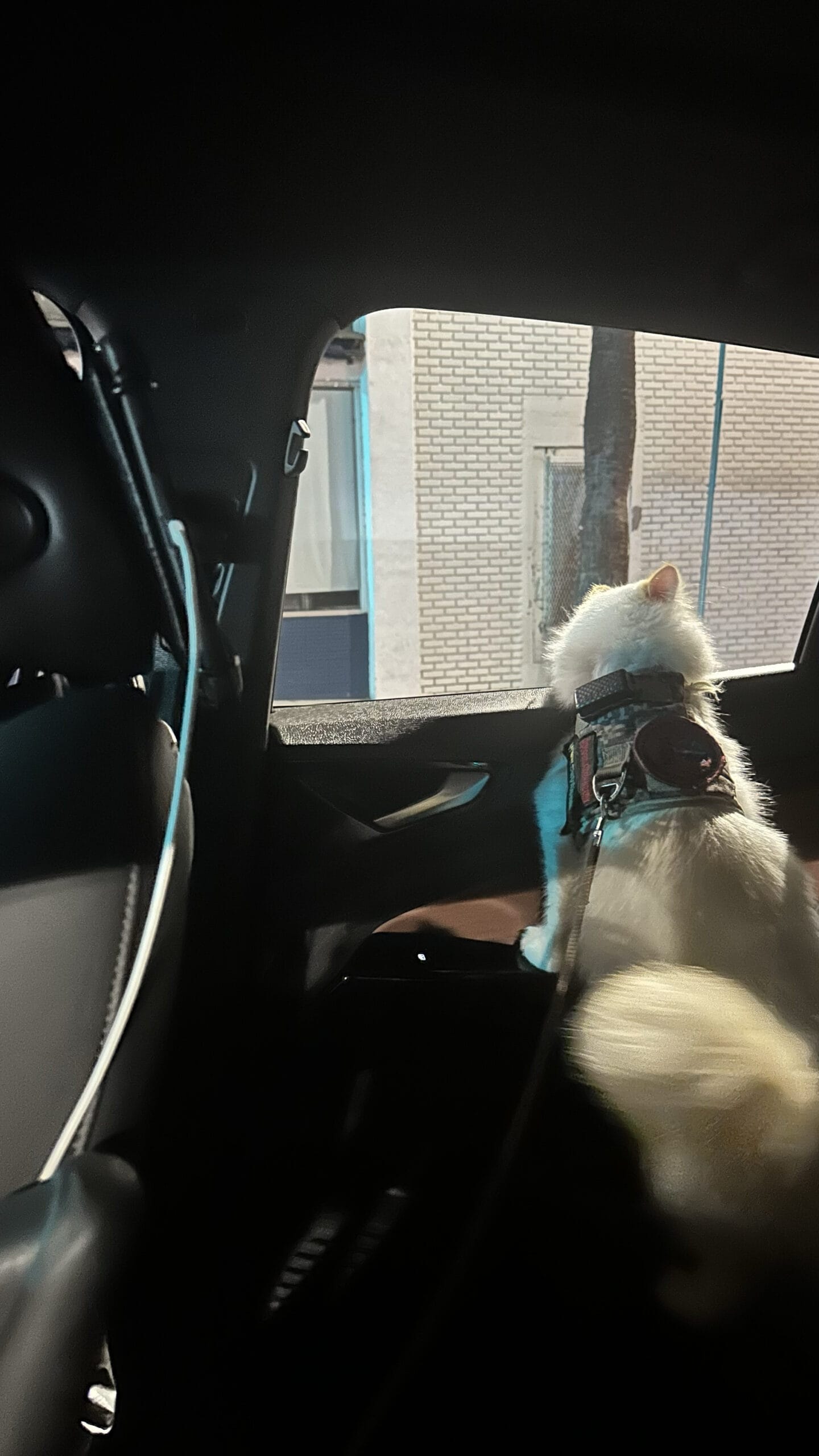
    Phoenix the Kweenix cat looking out a car window at night
    Phoenix the Kweenix keeping gentle watch on the world from the backseat.

    Window Watcher: Phoenix’s Night Ride

    Some moments are small and perfect. We were rolling through the city and Phoenix was stretched out in the backseat—calm, quiet, completely relaxed. Then something outside caught his attention. He rose slowly, planted his paws on the window ledge, and locked in. For several minutes he just watched—tail softly swishing, ears tuned, breathing easy.

    He glanced back at me, then out the window, then back again—our little check-in routine. It’s his way of asking, “You seeing this too?” and my way of saying, “I’ve got you, buddy.” That back-and-forth is our language: short looks, steady calm, shared trust.

    The Play-by-Play

    0:00–0:30 — A gentle stretch, a tiny head tilt, and he’s up on the ledge. Streetlights wash his fur in silver.

    0:30–1:30 — The focus narrows. He studies reflections, drifting people, a blue storefront, and the rhythm of passing trees.

    1:30–3:00 — Quick glance to me—green light. He resumes his survey with that Phoenix calm that settles the whole car.

    3:00–4:00 — He softens, sinks back to his blanket, and lets the ride carry him. Adventure complete.

    Our Little Dialogue

    Phoenix: “You seeing this, Dad?”
    Me: “I’m with you.”
    Phoenix: “Okay. Then we’re good.”

    Why These Moments Matter

    • Presence: Phoenix reminds me to slow down and actually look at the world we’re moving through.
    • Trust: That little look back is our conversation without words—his confidence, my reassurance.
    • Routine: Every ride becomes a micro-adventure. No screens, no rush—just curiosity and companionship.

    He’s a CFA Champion Birman and a therapy cat, but titles aside, Phoenix is a teacher. He shows me how to be steady, curious, and kind with the moment I’m in. A night drive, a window, a soft tail flick—and somehow the whole day makes sense again.


    Thanks for riding along with us. If you’re new here, “Phoenixisms” is where I share the small scenes that make up life with the Kweenix—quiet wins, curious glances, and the gentle lessons hidden in our everyday.

  • The Secret Behind His Calm: Building Trust from Kittenhood

    The Secret Behind His Calm: Building Trust from Kittenhood

    Our flame-point Birman enjoying a peaceful car ride.

    Many of you have seen the video of our handsome flame-point boy enjoying a car ride, chin resting on the window sill, calmly watching the world go by. It’s a scene that brings a smile to our faces, but it also brings up the question we hear more than any other: “How is he so calm?”
    It’s a valid question. Cats are often perceived as creatures of habit who prefer the quiet consistency of home. So, seeing one so at ease in a loud, moving environment is remarkable. The answer isn’t a simple trick or a single training session. It’s a combination of the Birman’s innate gentle nature and a philosophy of trust and reassurance that we practice from the moment they are born.
    Let’s talk about how we build that unshakable calm.

    The Foundation: Nature and Nurture

    First, we must give credit to the beautiful Birman breed. They are known for their docile, affectionate, and patient personalities. We choose our breeding pairs not just for their stunning looks, but for this gentle temperament that is the hallmark of the breed. This provides the perfect foundation.
    From there, nurture begins on day one. Our kittens are raised underfoot in our home here in Oceanside, surrounded by the everyday symphony of life. The sound of the vacuum cleaner, the television, conversations, and gentle music are all part of their early world. This early, positive exposure helps them develop a baseline of confidence. They learn that the world is a safe and interesting place, not a scary one.

    The Secret Ingredient: A Promise Whispered in His Ear

    But the true secret—the magic that turns a confident kitten into a serene and trusting companion like our co-pilot—is a continuous, conscious effort to build a fortress of trust.
    From the time he was a tiny kitten, I made a promise to him. In any situation that seemed overwhelming, stressful, or loud, my response was always the same. Instead of just removing him from the situation, I would pull him close to me, hold him securely against my chest, and lower my voice to a whisper.
    As he nestled in, I would repeat a constant, quiet mantra in his ear:

    It’s going to be okay. You’re fine. Don’t worry, it’s okay. You’re going to be okay. I’m going to keep you safe. I promise.

    Every single time. Whether it was a loud truck passing by, the first few car rides, or meeting a new person, his anchor in the storm was that physical closeness and the soft, steady reassurance of my voice.
    This isn’t about the words themselves. It’s about what they represent. They represent a promise that I am his safe space. He learned that no matter how chaotic the world around him might feel, I am his constant, and I will not let anything happen to him. My calm becomes his calm. My confidence becomes his confidence.

    Putting Trust into Practice, Every Day

    This practice has continued throughout his life. It’s a bond that we reinforce daily. Before we enter a new environment, he gets a moment of closeness and a few whispered words. If a car backfires, he looks to me for reassurance, and he gets it.
    That’s why he can sit so peacefully by an open car window. The car isn’t a scary metal box; it’s just another extension of his safe space with me. The sounds of the road are not threats; they are just background noise. His trust in me is so absolute that it overrides his natural feline instinct to be wary. He knows I am there, and he knows he is safe. I promised.
    So, when you see that fluffy face resting calmly on a car window sill, know that you’re not just seeing a cat on a ride. You’re seeing the result of a promise fulfilled. You’re seeing what’s possible with a foundation of good breeding, a lifetime of love, and a quiet, whispered vow to always be a safe harbor.